Somewhere in China, a bat flits across the sky, leaving a trace of coronavirus in its droppings, which fall to the forest floor. A wild animal, possibly a pangolin snuffling for insects among the leaves, picks up the infection from the excrement. The novel virus circulates in wildlife. Eventually an infected animal is captured, and a person somehow catches the disease, then passes it on to workers at a wildlife market. A global outbreak is born. Scientists are attempting to prove the truth of this scenario as they work to find wild animals harboring the virus. Finding the sequence of events is “a bit of a detective story”, says Prof Andrew Cunningham of Zoological Society London (ZSL). A range of wild animal species could be the host, he says, in particular bats, which harbor a large number of different coronaviruses. Briggs, Helen “Coronavirus: The race to find the source in wildlife.” BBC News, 25 February 2020. https://www.bbc.com/news/science-environment-51496830.
Articles like the one mentioned above are a sign that scientists are making headway on the possible source of the coronavirus pandemic. It’s easy to get scared when you do not know all the facts. It’s true that the virus might have originally come from bats, which can provoke more fear if you know we have bats in Colorado. This is one great reason why it is important to keep your home pest-free. Bats, in general, are great at controlling insects and some act as pollinators. You should never want them living in the house with you or in the attic though.
Wildlife Experts
At Northern Colorado Pest and Wildlife Control, we specialize in wildlife management. We are knowledgeable about the biology and the habits of common wildlife in northern Colorado. We like to share our knowledge with our customers and offer suggestions on what habits to change. This way, you don’t encourage unwanted wildlife around your home or business. When you look at management techniques there are many ways to keep wildlife away from your homes. Some techniques might include repellents, exclusion, trapping, behavioral changes, and habitat manipulation. 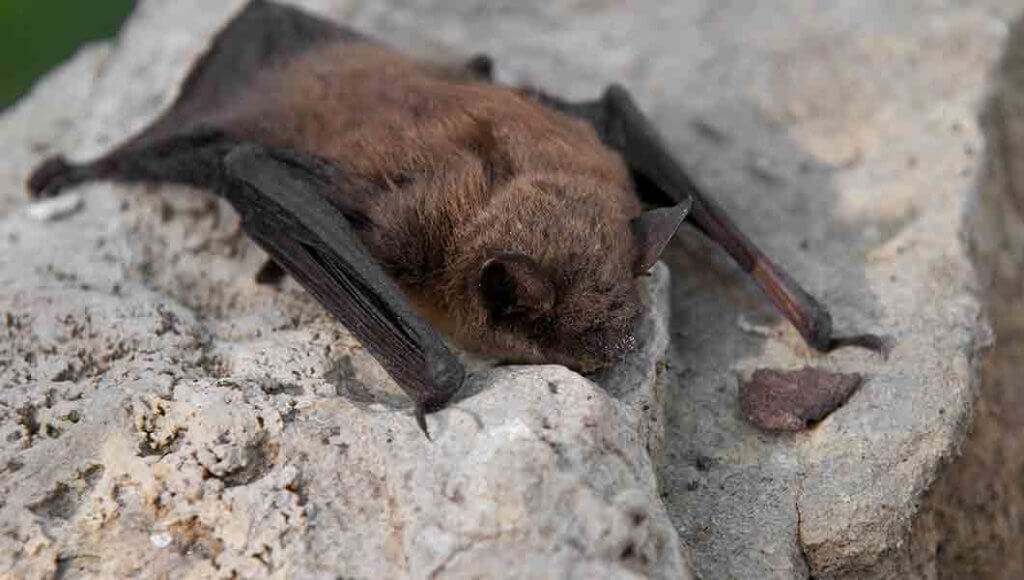
It is common for homeowners in our area to have a bat roost in their attic. We get calls daily during the spring, summer, and fall for this type of situation. It’s important to know that these animals or their droppings (feces) can carry many different diseases. When we inspect your home or business for this type of service, we might recommend a public health clean up service to remove and disinfect all the waste that has accumulated. The overall risk of coronavirus transmission between the bat species in Colorado and humans is very remote if not impossible. More common diseases exist, such as histoplasmosis, which comes from a fungus that grows on the droppings of bats (guano). This disease can cause respiratory problems if inhaled. Cases of histoplasmosis are generally observed in the eastern and southern United States where it is humid. It is typically too dry in Colorado for the fungus to develop and grow on the guano.
Pest and Wildlife Control Coronavirus Advice
If you searched for Pest and Wildlife Control Coronavirus, you found a reliable source of information. The idea of this blog post was to educate our customers, so they know the facts about coronavirus and how they relate to the pest and wildlife industry. The important message is to keep a distance from wildlife and make sure you’re not sharing your home with them. If you have any unwanted guests, please call today and one of the highly trained and educated technicians at Northern Colorado Pest and Wildlife Control will take care of your wildlife problem.
Update: The CDC has shared information about animals and the coronavirus here.