When you first think of rats, you probably imagine New York city with rats running in the ally ways and in the sewer systems. That image brings on fear with some people while it makes other people feel dirty. This type of rats is known as a brown rat or Norway rat. These rats are not native to the United States but have migrated here using travel on cargo ships. You are probably surprised to hear that a Rat Infestation is Coming to Colorado Towns Near You. Fifteen years ago, when I started in the industry in Northern Colorado, these rats (brown rats) were found in small isolated pockets of Denver and Boulder. Fast forward to now and these same rats are popping up in every town along the front range of Colorado.
Where Are The Rats Coming From?
You might ask yourself why are we getting so many rats in Colorado? The brown rat has a remarkable ability to thrive in the human environment. These rats are highly intelligent mammals and when you break it all down to the elements of survival, all animals need three things; food, water, and shelter. With humans around, living is far too easy for rats, especially if you live near water. Rats will survive on trash that is thrown away, or waste from a compost bin, or even from fruit-bearing trees that have dropped their fruit. They are very opportunistic feeders. Shelter can be very easy to find as well, with junk piles, thick vegetation from landscaping and they are very skilled at building their own burrows.
The brown rat is also a good hitchhiker and will commonly hide inside pallets and dumpsters. When this happens during transit, rats can be introduced to areas in which they have not been previously reported. These rats are prolific breeders as well. They are sexually mature at 5 weeks of age and only have a gestation period of three weeks. They can have as many as 14 young per litter (7 is average) and they can breed throughout the year if the conditions are suitable. If you have a mated pair of rats, it can turn into over 15,000 rats in a years’ time. It’s impressive and scary all at the same time. 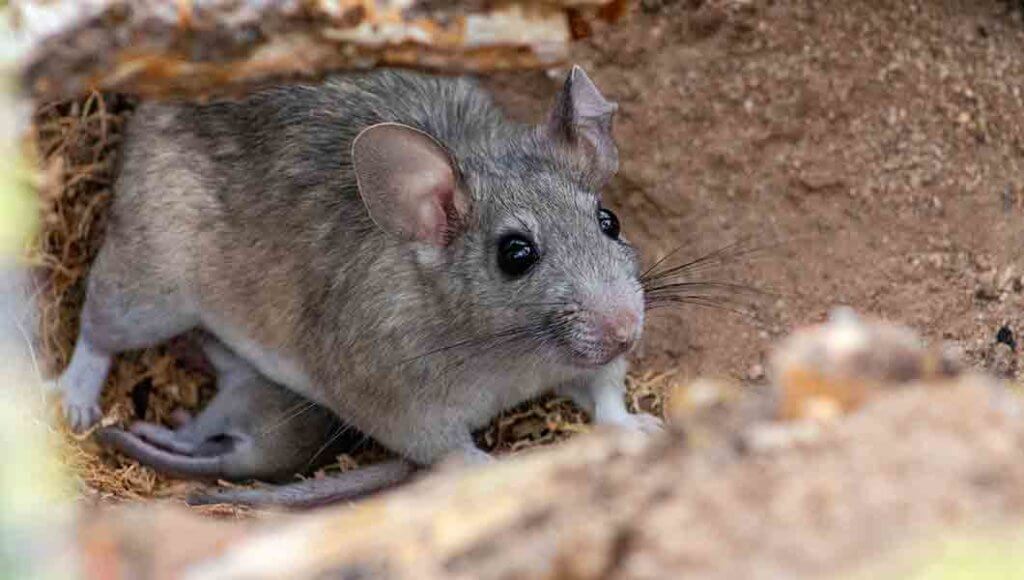
How to Avoid the Rat Infestation Coming to Colorado
So, what can be done? It all starts with an inspection of your home, business or property. As discussed previously, it’s important to look at the three basics to animal survival; food, water, and shelter. The best solution is always prevention, so look to eliminate any water that’s around the exterior. This might be difficult if you have a pond, river or stream. Also, eliminate food around the exterior. This might mean stop feeding the birds, composting or it might include a little extra work picking up dropped fruit or putting the trash out on the day of service and storing the trash in lock tight cans. Picking up debris around the yard and junk will greatly limit their ability to nest on your property. If you already have them or think you have them, don’t worry. We are trained to work with and eliminate them from your home, business or property. A combination of traps, baits, and exclusion will do the trick.
Don’t be surprised anymore when you hear that a Rat Infestation is Coming to Colorado. You heard it here first with Northern Colorado Pest and Wildlife Control. Rats are a difficult pest to manage but with the amount of experience we have, nothing is impossible. Call us today to schedule a site inspection. Hopefully, you never have a pest control issue, but if you do, your local Northern Colorado Pest and Wildlife technician is ready to help.